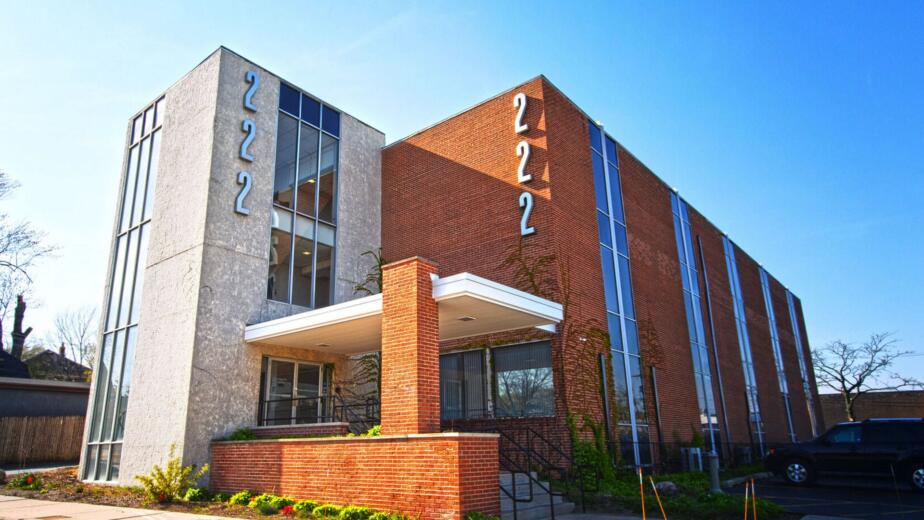
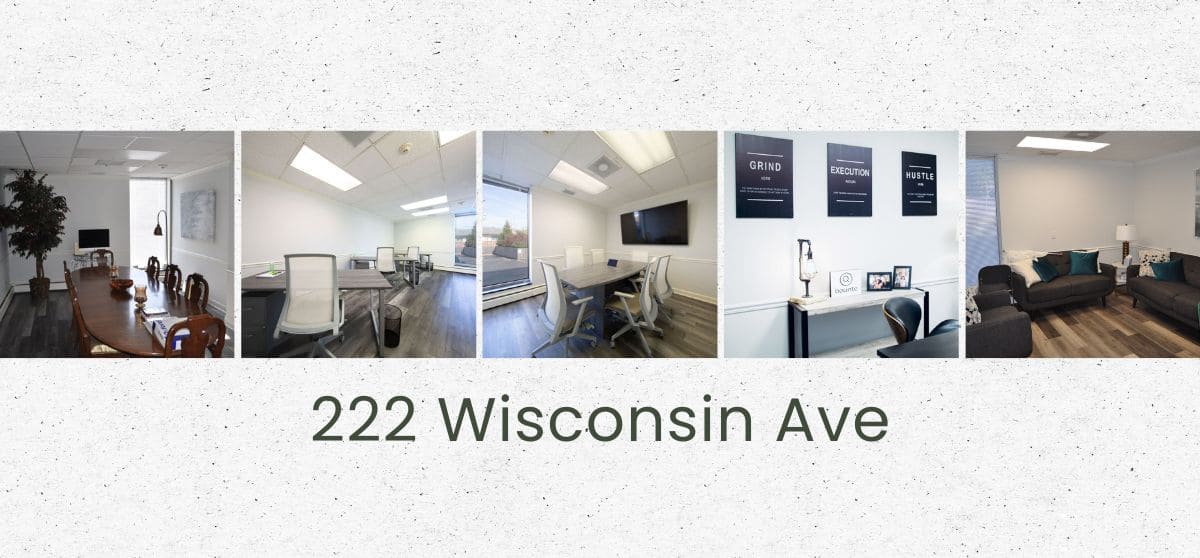
If you’re a sole proprietor, a small team, or a growing practice looking for your first (or next) office, one of the biggest decisions isn’t the neighborhood or the square footage — it’s whether to lease a private, standalone office or a suite within a shared professional space. Both work. The right one depends on how you work. Here’s how to think it through as a tenant.
What Each Option Actually Means
A private office is exactly what it sounds like — your own four walls, your own entrance or suite door, and no shared space with other businesses beyond common areas like hallways or restrooms.
A shared suite typically means you lease a private office within a building that houses other independent professionals — think a CPA down the hall, a therapist two doors down, an insurance agent upstairs. You get your own private, lockable space, but you share amenities like a lobby, conference room, or flex center.
Cost Considerations
Shared suites are often more cost-effective for solo operators and small teams because you’re not paying for — or maintaining — amenities like a full conference room, reception area, or high-speed internet infrastructure on your own. Those costs get spread across tenants. A private standalone office gives you full control, but usually at a higher overhead, especially if you need occasional meeting or presentation space you’d rarely use enough to justify renting full-time.
Privacy and Branding
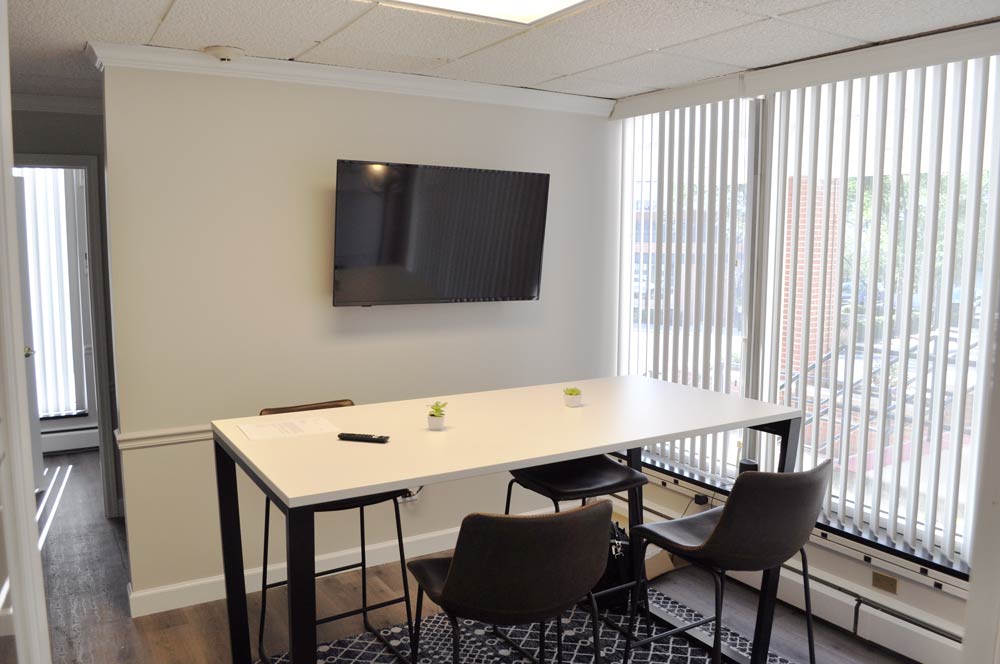
If client confidentiality is central to your work — legal, financial, medical, or therapeutic services — a private suite with a separate, lockable door still gives you full privacy even within a shared building. The difference from a fully standalone office is mostly about what’s outside your door, not inside it.
On branding: a standalone office lets you control signage and first impressions from the street. A shared suite building can still offer a strong professional identity — especially in a well-known or established property — but your business won’t be the only name on the door.
The Case for Community
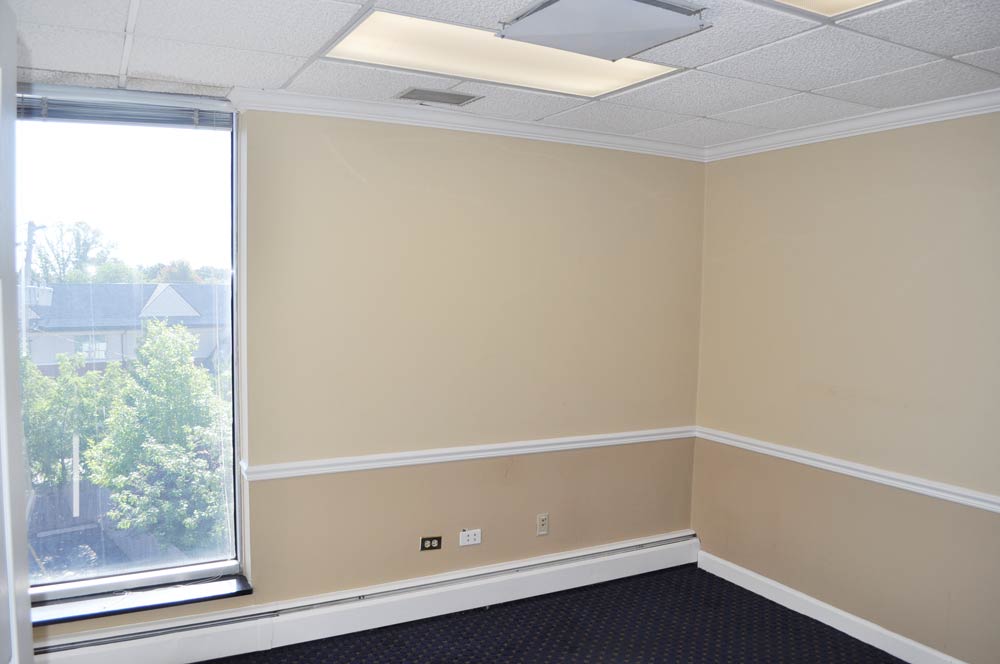
One underrated benefit of a shared suite is proximity to other independent professionals. Referral relationships often form naturally between, say, a therapist and a psychiatrist, or a CPA and a financial advisor, simply because they’re down the hall from each other. If you’re a solo operator, that built-in professional community can matter more than square footage.
Flexibility to Scale
This is where the leasing structure itself matters. Look for buildings that let you lease individually or in blocks. That means if you start in a single office and later add a team member, you can typically expand into an adjoining suite instead of relocating your entire business. That flexibility is harder to find with standalone single-tenant leases, which are often structured for a fixed footprint.
Questions to Ask Before You Decide
- Do I need a full-time conference room, or would I use one only occasionally?
- How much do I value being near other independent professionals?
- Will my team likely grow in the next 1–3 years?
- Do I need control over exterior signage, or is a shared building identity fine?
- What’s included in the lease — internet, cleaning, security — versus what I’d have to source myself?
The Bottom Line
For most sole proprietors and small teams, a shared professional suite offers the privacy of a standalone office with the cost efficiency and flexibility of a shared building. At 222 Wisconsin, tenants lease private, individually lockable suites — available individually or in blocks — with access to a shared community flex center for meetings, presentations, and virtual conferencing when needed.
If you’re weighing your options, call +1 847-739-1001 to tour the building and see which setup fits your business.