Working from home made sense when you were starting out — low overhead, no commute, full control of your schedule. But there’s often a point where the home office that once felt efficient starts holding your business back. If any of these sound familiar, it might be time to look at a professional space.
1. Clients Are Starting to Ask About Your "Office"
If you’re a therapist, CPA, insurance agent, or consultant, clients build trust partly through professional context. A polite question like “Do you have an office I could come to?” is often a signal that your current setup feels informal for the relationship they expect. A dedicated, professional address — separate from your home — signals stability and credibility, especially for healthcare and financial services where trust is the whole product.
2. You're Constantly Managing Interruptions
Kids home from school, deliveries at the door — a home office rarely stays quiet on command. For client-facing work, especially therapy sessions or confidential financial conversations, even occasional interruptions can undermine the experience. If you find yourself apologizing mid-meeting more than once a month, that’s a real cost, not just an inconvenience.
3. You've Outgrown Your Space (or Your Storage)
Maybe you started as a true solo operator, but now you’ve brought on a part-time assistant, an associate, or you’re storing more files, equipment, or inventory than your home allows. A home office that worked for “just you” often can’t flex to support even modest growth — and cramming a second desk into a spare bedroom isn’t a long-term plan.
4. Work-Life Boundaries Have Disappeared
When your office is fifteen feet from your kitchen, it’s hard to ever fully “leave work.” Many self-employed professionals find that having a separate space — even a small one — creates a mental boundary that a home office never quite provides, which in turn makes both the workday and the evening feel more intentional.
5. You Need Meeting or Presentation Space You Don't Have
Video calls from a kitchen table are one thing. Client meetings, staff check-ins, or presentations are another. If you’ve ever met a client at a coffee shop because your home wasn’t an option, that’s a sign your business has outgrown what your home can support — even if you don’t need a full-time office for every part of your week.
What to Look For Instead
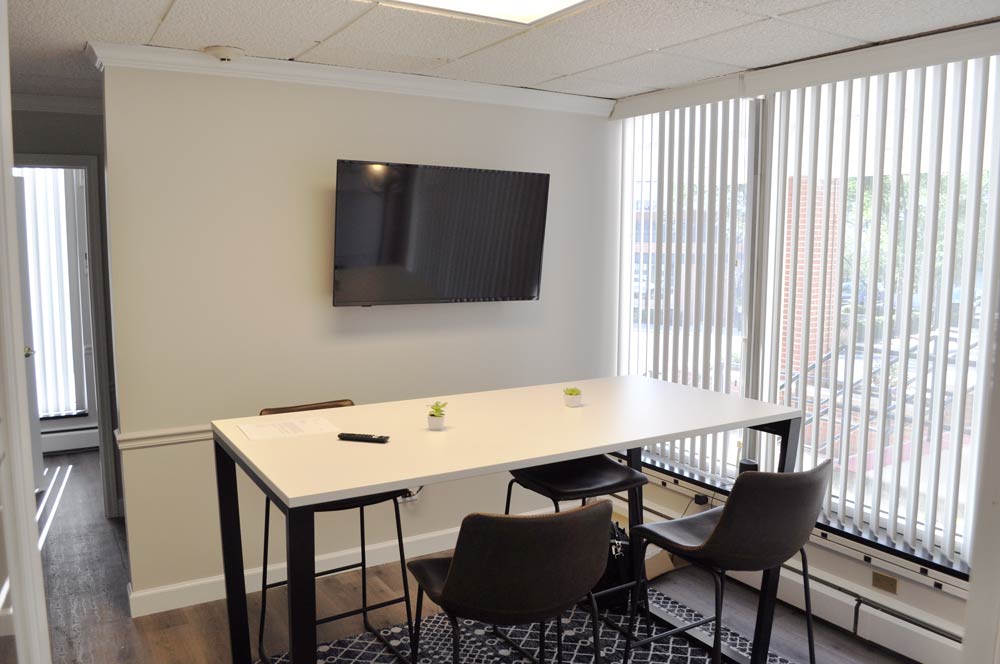
You don’t have to jump from the home office to a large standalone suite. Many small business owners find the right middle ground in a shared professional building — a private, lockable office of your own, with access to a shared conference or flex space for the meetings you don’t need daily but still need occasionally.
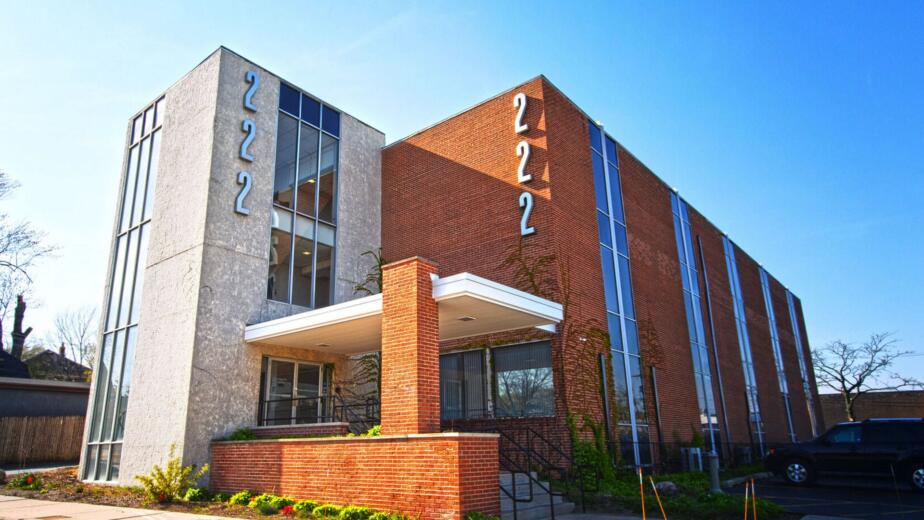
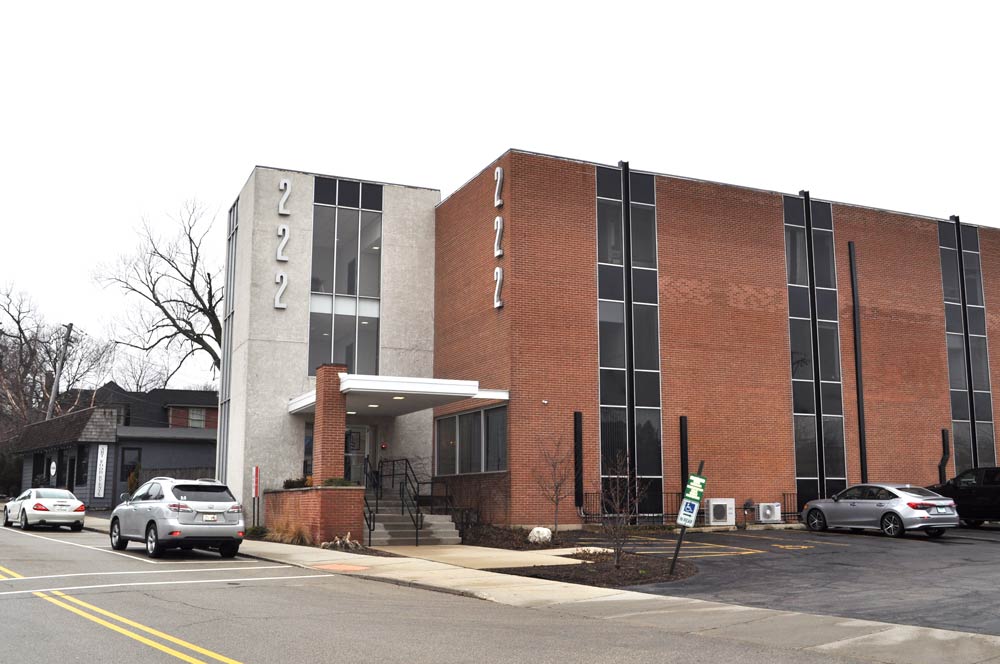
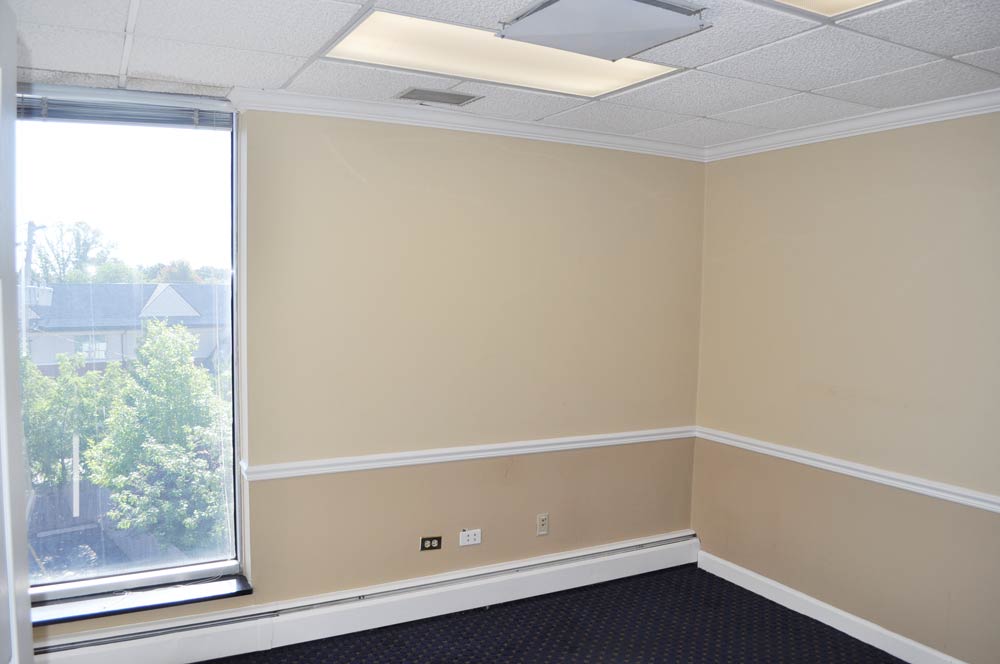
At 222 Wisconsin, that’s exactly the model: freshly updated private suites in downtown Lake Forest, available to lease individually or in blocks, with a community flex center for meetings and presentations when you need them.
If any of the signs above sound familiar, call +1 847-739-1001 to schedule a tour and see what a “home office away from home” could look like.